Introduction
When construction projects demand higher load capacity and superior corrosion resistance, GFRP rebar 12mm is the go-to choice. This comprehensive guide covers everything from 12mm GFRP rebar specifications and weight comparisons to pricing and real-world applications. Whether you are specifying reinforcement for a marine structure, a bridge deck, or an industrial flooring system, understanding the properties of 12mm diameter GFRP rebar is essential for making informed material decisions.
Glass Fiber Reinforced Polymer (GFRP) rebar has emerged as a high-performance alternative to traditional steel reinforcement, particularly in environments where corrosion poses a significant threat. The 12mm diameter grade occupies a sweet spot in the product range — thick enough to handle substantial structural loads yet versatile enough for a wide variety of construction scenarios. In this article, we break down the full technical profile of 12mm GFRP rebar, compare it directly with 10mm rebar, and provide actionable guidance on pricing, procurement, and application planning.
What Is 12mm GFRP Rebar?
12mm GFRP rebar is a glass fiber reinforced polymer reinforcing bar with a nominal diameter of 12 millimeters. Unlike traditional steel rebar, it is manufactured by pulling continuous glass fiber strands through a resin bath and then curing them under controlled heat. The result is a lightweight, non-corrosive reinforcement material that offers tensile strength comparable to or exceeding that of steel.
Composition and Manufacturing Process
The production of GFRP rebar 12mm begins with high-strength E-glass or ECR-glass fibers. These fibers are impregnated with a thermosetting resin — typically vinyl ester or epoxy — which binds the filaments together and protects them from environmental degradation. After resin impregnation, the material passes through a heated die that forms the 12mm diameter profile. A sand coating is applied to the surface while the resin is still tacky, creating a mechanical bond with concrete once the rebar is embedded. This manufacturing process gives GFRP rebar 12mm its distinctive surface texture and its exceptional resistance to chlorides, chemicals, and moisture.
Key characteristics that define 12mm GFRP rebar include its high strength-to-weight ratio (roughly one-quarter the weight of steel), electromagnetic neutrality, and virtual immunity to corrosion. These properties make it an ideal replacement for steel in aggressive environments such as seawalls, wastewater treatment plants, and bridge decks exposed to deicing salts.
GFRP Rebar 12mm Specifications – Tensile, Shear and Physical Properties
Understanding the technical GFRP rebar diameter, mechanical ratings, and physical properties is essential for structural design. Below we detail the key 12mm GFRP rebar specifications that engineers and contractors need for accurate project planning.
Physical Dimensions and Tolerances
The nominal GFRP rebar diameter of the 12mm grade is 12.0 mm, with standard manufacturing tolerances typically ranging from ±0.3 mm to ±0.5 mm depending on the production standard (ASTM D7957 or CSA S807). The cross-sectional area is approximately 113 mm². The rebar is produced in standard lengths of 6 m, 12 m, or custom cut lengths. Standard deformations (sand coating or helical wraps) provide the mechanical interlock with concrete.
| Property | 12mm GFRP Rebar Value |
|---|---|
| Nominal Diameter | 12.0 mm |
| Cross-Sectional Area | 113 mm² |
| Diameter Tolerance | ±0.3 mm (ASTM D7957) |
| Standard Lengths | 6 m, 12 m, or custom |
| Surface Finish | Sand-coated or helically wrapped |
Mechanical Properties – Tensile and Shear Strength
The GFRP rebar tensile strength of 12mm bars is one of their most impressive characteristics. Depending on the fiber type and resin system, the ultimate tensile strength ranges from 700 MPa to over 1,000 MPa. This is significantly higher than Grade 60 steel rebar (420 MPa yield), meaning 12mm GFRP rebar can replace larger diameter steel bars in many applications.
Key mechanical values for 12mm GFRP rebar:
- Ultimate Tensile Strength: 700 – 1,000+ MPa (varies by manufacturer and fiber volume fraction)
- Tensile Modulus of Elasticity: 40 – 55 GPa (roughly 20–25% of steel, but compensated by higher design strengths)
- Ultimate Tensile Load: Approximately 80 – 115 kN per bar
- GFRP rebar shear strength: Typically 150 – 200 MPa (about 20% of tensile strength; a key design consideration)
- Ultimate Shear Load: Approximately 17 – 23 kN per bar
- Bond Strength: 12 – 16 MPa (sand-coated surface ensures excellent concrete adhesion)
The GFRP rebar shear strength is an important factor in structural design because GFRP is anisotropic — its strength comes primarily from the longitudinal fibers. Shear capacity across the bar is governed by the resin matrix and transverse fibers. Design codes such as ACI 440.1R provide specific reduction factors to account for this anisotropy, ensuring safe and reliable structural performance.
Weight per Meter
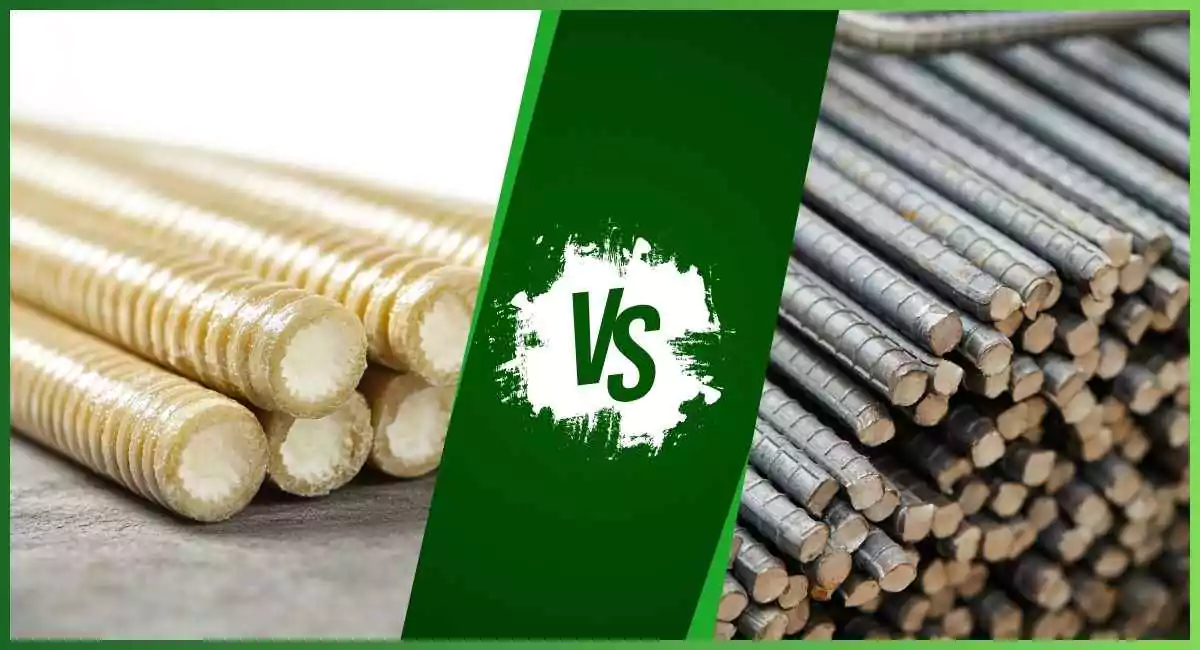
One of the biggest advantages of GFRP over steel is its low density. 12mm GFRP rebar weight per meter is approximately 0.28 kg/m, compared to 0.89 kg/m for 12mm steel rebar — a weight reduction of nearly 70%. This dramatic difference translates into lower transportation costs, easier on-site handling, and reduced labor requirements for installation.
| Material | Diameter | Weight per Meter | Weight per 12m Bar |
|---|---|---|---|
| GFRP Rebar | 12 mm | 0.28 kg/m | 3.36 kg |
| Steel Rebar | 12 mm | 0.89 kg/m | 10.68 kg |
| GFRP Rebar | 10 mm | 0.19 kg/m | 2.28 kg |
| Steel Rebar | 10 mm | 0.62 kg/m | 7.44 kg |
The weight comparison clearly shows that choosing 12mm GFRP rebar over 12mm steel reduces material weight by approximately 3.2×, which can substantially lower the dead load on a structure and simplify logistics on large projects.
12mm vs 10mm GFRP Rebar Comparison
Choosing between 10mm and 12mm GFRP rebar is a common decision point for structural engineers. While both diameters offer the same corrosion resistance and weight advantages over steel, their mechanical properties differ significantly.
| Parameter | 10mm GFRP Rebar | 12mm GFRP Rebar | Difference |
|---|---|---|---|
| Nominal Diameter | 10.0 mm | 12.0 mm | +2.0 mm |
| Cross-Sectional Area | 78.5 mm² | 113 mm² | +44% |
| Ultimate Tensile Strength | 700 – 1,000 MPa | 700 – 1,000 MPa | Same range |
| Ultimate Tensile Load | 55 – 78 kN | 80 – 115 kN | +45–47% |
| GFRP Rebar Shear Strength (Typical) | 150 – 200 MPa | 150 – 200 MPa | Same range |
| Ultimate Shear Load | 12 – 16 kN | 17 – 23 kN | +42–44% |
| Weight per Meter | 0.19 kg/m | 0.28 kg/m | +47% |
| Typical Price per Meter | $1.20 – $2.40 | $1.80 – $3.50 | +40–50% |
| Equivalent Steel Diameter | #3 (10M) | #4 (13M) | — |
How to Choose Between 10mm and 12mm GFRP Rebar
The decision depends primarily on structural loading requirements and the specific reinforcement design. 12mm GFRP rebar is the preferred choice when:
- Higher load capacity is required: The 44% larger cross-sectional area delivers approximately 45% more tensile load capacity, making 12mm rebar suitable for primary structural elements like beams, columns, and load-bearing walls.
- Deflection control is critical: The increased cross-sectional area provides greater stiffness in the reinforcement layer, helping to control long-term deflections in slabs and beams.
- Replacing larger steel bars: When a #4 (13M) steel bar is specified, 12mm GFRP rebar is the direct substitute. If the original design calls for #3 (10M) steel, 10mm GFRP may suffice.
Conversely, 10mm GFRP rebar is often adequate and more economical for secondary reinforcement, temperature and shrinkage control, and lighter structural applications such as slabs-on-grade, pavements, and retaining walls with moderate loads.
Always consult a structural engineer familiar with GFRP design codes (ACI 440.1R or CSA S806) to perform the proper substitution calculations. The GFRP rebar tensile strength and modulus differences from steel require specific design adjustments rather than simple one-for-one diameter swaps.
Price of 12mm GFRP Rebar
The price of 12mm GFRP rebar per meter typically ranges from $1.80 to $3.50 USD, depending on order volume, manufacturer, fiber quality, and delivery terms. While the upfront material cost is higher than steel, the total installed cost is often competitive when factoring in reduced handling labor, lower transportation expenses, and elimination of corrosion-related maintenance.
Factors Affecting 12mm GFRP Rebar Price
Several variables influence the final cost of 12mm GFRP rebar:
- Order Volume: Bulk purchases (1,000+ linear meters) typically receive 15–25% discounts compared to small project quantities. Full container loads offer the best per-unit pricing.
- Fiber Type: E-glass fiber is standard and most economical. ECR-glass (electrical-corrosion resistant) or S-glass fibers cost more but offer enhanced chemical resistance or higher strength.
- Resin System: Vinyl ester resin is the industry standard. Epoxy-based systems cost 10–20% more but provide superior chemical resistance for extreme environments.
- Surface Finish: Sand-coated rebar is standard. Helically wrapped or ribbed profiles may carry a small premium due to additional processing steps.
- Cutting and Fabrication: Custom cut lengths, bent shapes, or prefabricated cages add fabrication costs but reduce on-site labor.
- Certification and Testing: Rebar supplied with mill test reports and third-party certification (e.g., ASTM D7957 compliance) may have a slight price premium but provides peace of mind for code compliance.
Typical price range summary:
| Order Size | Price per Meter (12mm GFRP) | Price per 12m Bar |
|---|---|---|
| Small project (<500 m) | $2.80 – $3.50 | $33.60 – $42.00 |
| Medium project (500–5,000 m) | $2.20 – $2.80 | $26.40 – $33.60 |
| Large project (5,000+ m) | $1.80 – $2.40 | $21.60 – $28.80 |
| Container load (30,000+ m) | $1.50 – $2.00 | $18.00 – $24.00 |
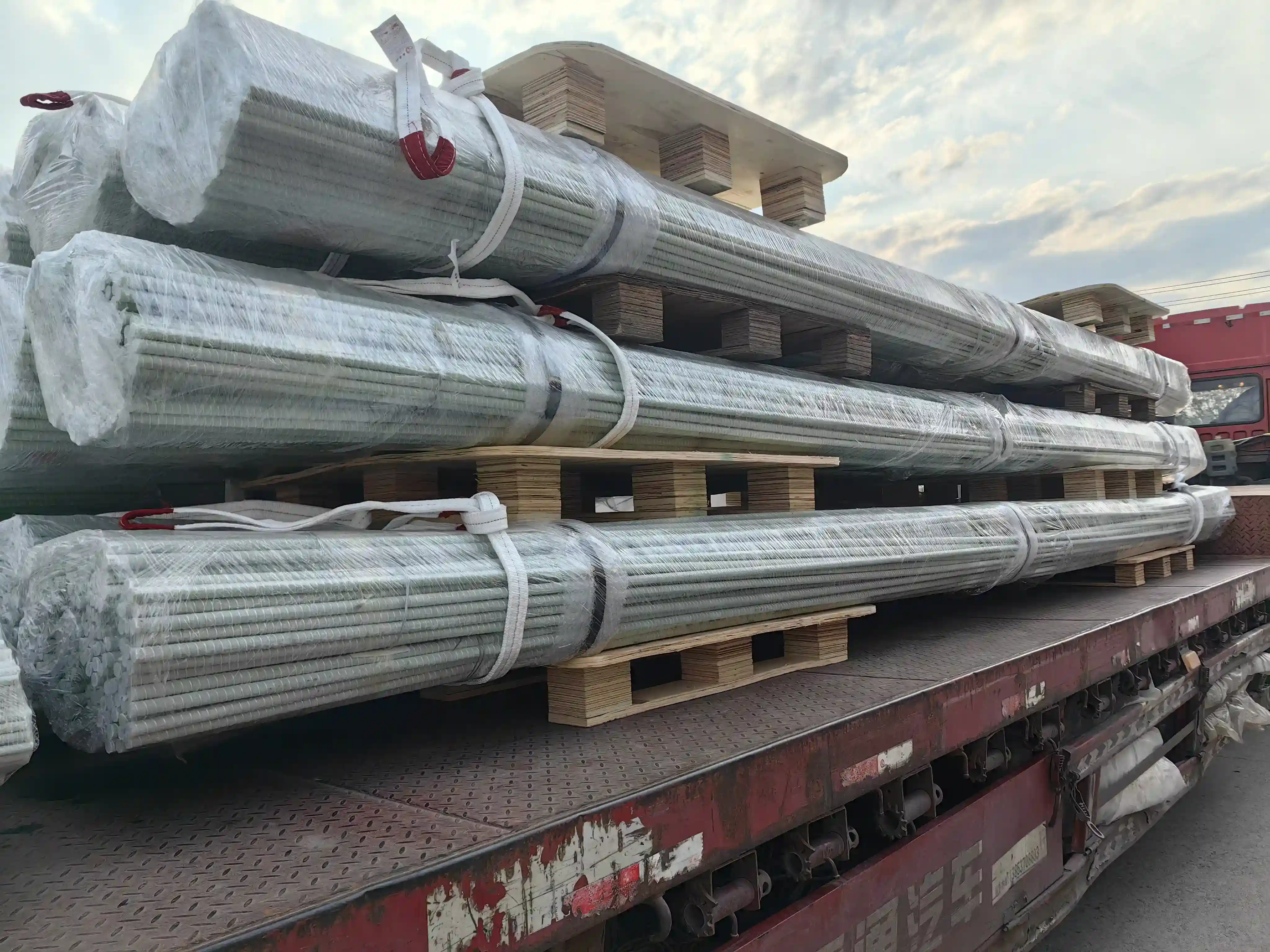
When comparing total project costs, remember that 12mm GFRP rebar weight per meter is only 0.28 kg — roughly one-third that of steel — which significantly reduces freight charges. A typical 40-foot container can hold approximately 25–30 tons of GFRP rebar versus only 8–10 tons of steel in the same volume, making long-distance shipping considerably more economical.
Typical Applications of 12mm GFRP Rebar
12mm GFRP rebar finds extensive use in structural applications where corrosion resistance, high tensile strength, and light weight are critical. The 12mm GFRP rebar diameter provides an optimal balance of load capacity and material efficiency for medium-to-heavy structural elements. Its 44% larger cross-section compared to 10mm rebar provides the extra load capacity needed for primary structural elements in demanding environments.
Marine and Coastal Structures
Seawalls, piers, jetties, and offshore platforms benefit enormously from 12mm GFRP rebar because chloride-laden seawater rapidly attacks steel reinforcement. GFRP is completely immune to chloride-induced corrosion, extending service life from decades to centuries. The 12mm diameter provides the necessary strength for wave-impact zones and tidal splash areas where structural loads are highest.
Bridge Decks and Highway Infrastructure
Bridge decks exposed to deicing salts are among the most cost-effective applications for GFRP rebar 12mm. The combination of heavy vehicle loads and aggressive chemical exposure makes steel reinforcement in bridges prone to spalling and delamination. Replacing steel with 12mm GFRP rebar in bridge deck slabs eliminates corrosion-related deterioration and significantly reduces lifecycle maintenance costs.
Wastewater Treatment Plants
The chemically aggressive environment of treatment tanks, clarifiers, and chemical dosing areas rapidly degrades steel reinforcement. 12mm GFRP rebar withstands exposure to hydrogen sulfide, chlorides, and acidic conditions without degradation, making it the material of choice for new concrete structures in water and wastewater infrastructure.
Industrial Flooring and Heavy-Load Slabs
Factory floors, warehouse slabs, and heavy equipment foundations require reinforcement that can handle significant point loads and dynamic forces. The high GFRP rebar tensile strength of 12mm bars provides the load capacity needed for these demanding applications while eliminating the risk of corrosion from chemical spills or moisture ingress through floor joints.
Retaining Walls and Foundations
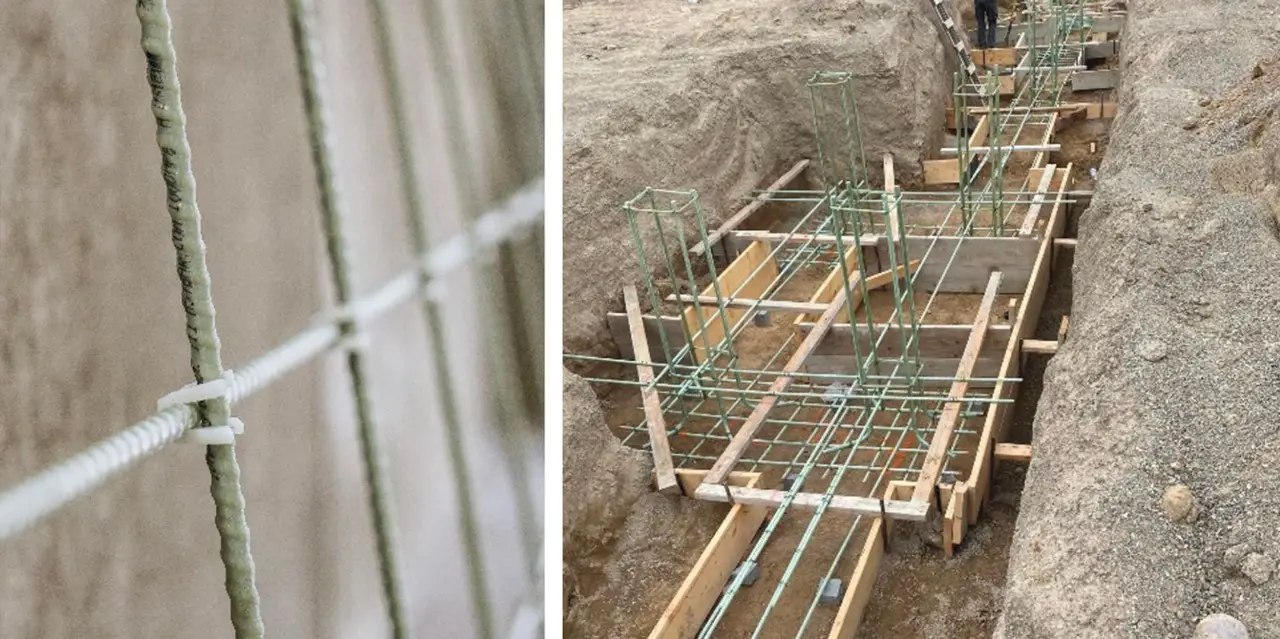
Earth-retaining structures and deep foundations are often in permanent contact with moist soil containing chlorides, sulfates, or other aggressive agents. Using 12mm GFRP rebar in these below-grade applications ensures long-term structural integrity without the corrosion risk that eventually compromises steel reinforcement.
Minimum Bend Radius and Handling Guidelines
Unlike steel rebar, GFRP cannot be cold-bent on site. 12mm GFRP rebar must be pre-bent at the factory during manufacturing, before the resin fully cures. The minimum bend radius for 12mm GFRP rebar depends on the manufacturing process and fiber architecture, but general industry guidelines recommend:
- Minimum bend radius: 4× to 6× the bar diameter (48 mm to 72 mm for 12mm GFRP rebar)
- Standard bend radius: 6× the bar diameter (72 mm) for most structural applications
- Factory bending only: Field bending of cured GFRP rebar is not recommended as it can damage the fibers and resin matrix, significantly reducing tensile strength
When designing stirrups, hooks, or bent bars with 12mm GFRP rebar, specify the required bend geometry at the time of ordering. Most manufacturers offer custom bending services for standard hook configurations, seismic hooks, and U-shaped stirrups. Always follow the bend radius recommendations in ACI 440.1R or CSA S806, which provide specific guidance for GFRP reinforcement detailing.
Handling guidelines for 12mm GFRP rebar include using appropriate personal protective equipment (gloves and long sleeves) to protect against fiberglass splinters, storing bars off the ground on timber dunnage, and avoiding sharp impacts that could cause surface damage. Despite these precautions, the light weight — only 0.28 kg/m — makes on-site handling significantly easier and safer than steel counterparts.
Where to Buy 12mm GFRP Rebar
Sourcing high-quality 12mm GFRP rebar requires working with reputable manufacturers who comply with international standards such as ASTM D7957, CSA S807, or BS EN 13706. Here is what to look for when selecting a supplier:
- Certification and Compliance: Ensure the manufacturer provides mill test reports showing tensile strength, shear strength, and dimensional compliance with relevant standards. Third-party certification from accredited laboratories adds confidence.
- Production Capacity: For large projects, verify that the factory can produce the required volumes within your timeline. Leading Chinese manufacturers produce 500+ tons of GFRP rebar monthly with consistent quality.
- Export Experience: If shipping internationally, choose a supplier experienced in export logistics, container loading optimization, and customs documentation for composite materials.
- Customization: Confirm the ability to supply custom lengths, bent configurations, and pre-fabricated reinforcement cages if needed for your project.
- Sample Testing: Request material samples for independent laboratory testing before committing to large orders. This is standard practice for critical infrastructure projects.
As a GFRP rebar 12mm supplier with global shipping capabilities, GFRP Rebar Solutions offers competitive pricing on bulk orders, free technical consultation for specifiers, and comprehensive mill test reports with every shipment. Contact our team for a project-specific quotation tailored to your delivery location and volume requirements. We supply ASTM-compliant 12mm GFRP rebar with standard lead times of 2–4 weeks for container orders.
Conclusion
12mm GFRP rebar delivers an outstanding combination of strength, light weight, and corrosion resistance that makes it the reinforcement material of choice for demanding structural applications. With a tensile strength exceeding 700 MPa, a weight of only 0.28 kg/m, and total lifecycle cost savings of 30–50% compared to steel in corrosive environments, it represents a smart investment for any project requiring durable, long-lasting concrete reinforcement.
When comparing 12mm GFRP rebar specifications against 10mm alternatives, the 44% larger cross-section provides substantially higher load capacity while maintaining the same corrosion-free advantages. The price of 12mm GFRP rebar per meter, typically $1.80–$3.50 depending on volume, is offset by dramatically lower handling, transport, and maintenance costs over the structure's life.
For engineers and contractors seeking to specify GFRP rebar 12mm for their next project, the key takeaways are clear: verify the tensile and shear strength ratings against your design requirements, order the correct bend configurations from the factory, and partner with a certified supplier who can provide full compliance documentation. Contact GFRP Rebar Solutions for pricing, technical specifications, and expert guidance on your 12mm GFRP rebar requirements.