Introduction
When construction projects demand corrosion-resistant reinforcement that outperforms traditional steel, GFRP rebar 10mm has emerged as the go-to solution for engineers and contractors worldwide. This 10-millimeter diameter glass fiber reinforced polymer (GFRP) rebar delivers exceptional tensile strength at a fraction of the weight of steel, making it ideal for concrete structures exposed to moisture, chemicals, and de-icing salts. Whether you are designing a bridge deck, a concrete slab foundation, or a marine structure, understanding the exact specifications, weight, price, and applications of this 10mm reinforcement size are essential for making informed procurement decisions. This guide provides a complete technical breakdown including mechanical properties, cost per meter, and real-world installation best practices for this versatile reinforcement size.
What Is 10mm GFRP Rebar?
GFRP rebar 10mm is a 10-millimeter diameter composite reinforcing bar made from high-strength glass fibers embedded in a vinyl ester or epoxy resin matrix. Unlike traditional steel rebar, GFRP (Glass Fiber Reinforced Polymer) rebar does not rust, corrode, or degrade when exposed to moisture, chlorides, or aggressive chemicals. The 10mm size is one of the most commonly specified diameters in light to medium structural applications, offering an optimal balance between reinforcement capacity and ease of handling.
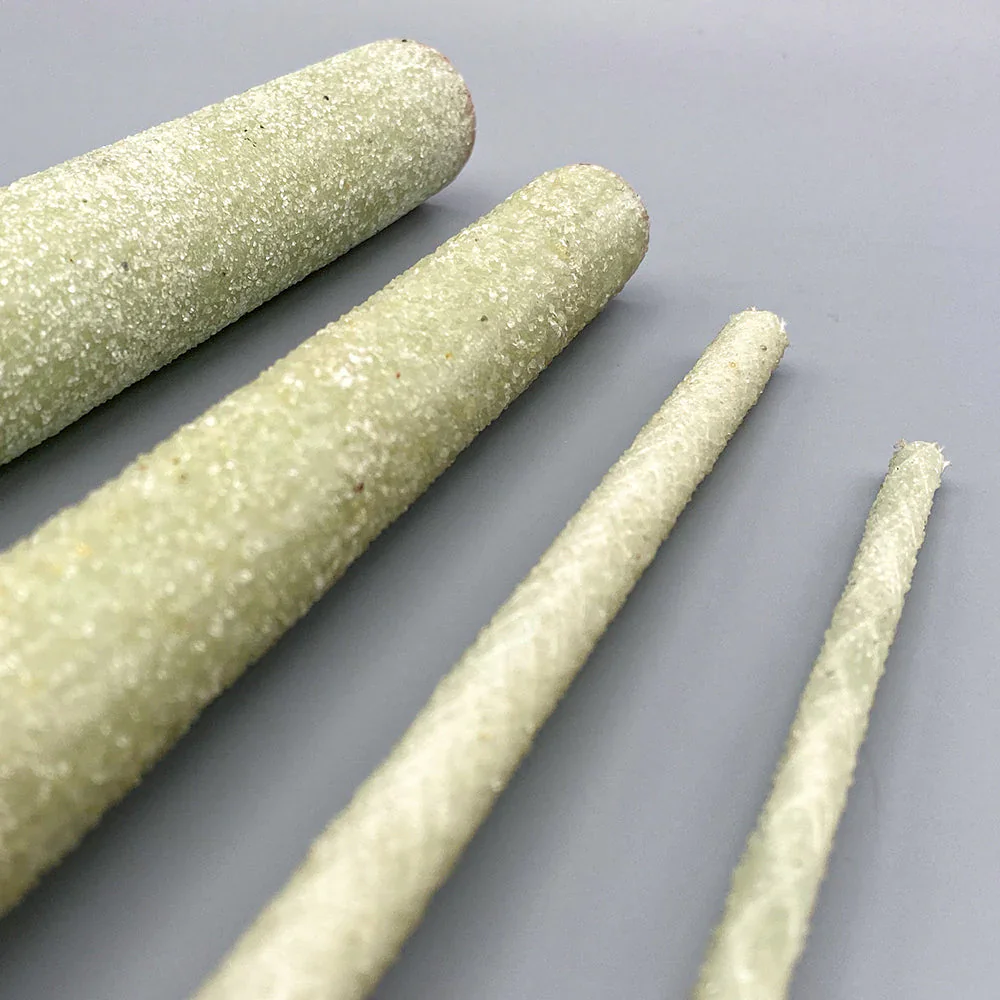
The manufacturing process involves pultrusion, where continuous glass fiber strands are pulled through a resin bath and then through a heated die that shapes the bar to a precise 10mm diameter. The surface is typically coated with a sand layer or helical wrapping to enhance the mechanical bond between the rebar and concrete. This sand-coated surface is a defining feature of quality 10mm bars, providing superior pullout resistance compared to smooth or ribbed steel bars.
Key characteristics of this reinforcement size include:
- Corrosion-proof: Zero rust formation, even in saturated concrete or marine environments
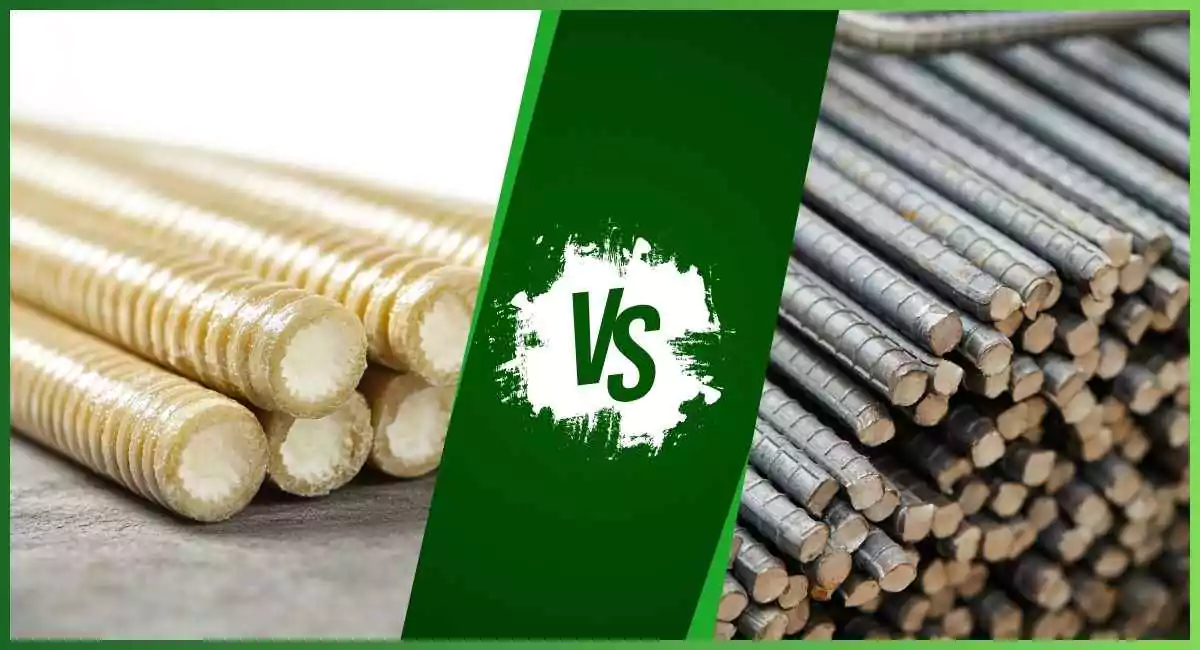
- Lightweight: Approximately 75-80% lighter than equivalent steel rebar
- High tensile strength: Significantly stronger in tension than grade 60 steel
- Non-conductive: Electrically and thermally insulating, ideal for sensitive infrastructure
- Transparent to magnetic fields: Suitable for MRI facilities and electronic installations
These properties make 10mm GFRP rebar a direct replacement for 10M steel rebar in most concrete reinforcement applications, with the added benefit of dramatically extended service life.
GFRP Rebar 10mm: Key Specifications
Understanding the technical specifications of GFRP rebar 10mm is critical for structural design and material substitution calculations. Below is a comprehensive specification table showing the standard mechanical and physical properties of 10mm diameter GFRP rebar, followed by detailed explanations of each parameter.
| Parameter | Value | Unit | Notes |
|---|---|---|---|
| Nominal Diameter | 10 | mm | Actual diameter may vary ±0.2mm |
| Cross-Sectional Area | 78.5 | mm² | Based on nominal diameter |
| Tensile Strength | 850 - 1,200 | MPa | Depending on fiber content (70-80% by volume) |
| Tensile Load Capacity | 66.7 - 94.2 | kN | Force at ultimate failure |
| Modulus of Elasticity | 45 - 55 | GPa | Linear elastic to failure |
| Weight Per Meter | 0.185 - 0.210 | kg/m | ~0.13 lb/ft — 75% lighter than 10mm steel |
| Density | 1.9 - 2.1 | g/cm³ | vs 7.85 g/cm³ for steel |
| Minimum Bend Radius | 30 - 40 | mm | 3D-4D; field bending must follow manufacturer guidelines |
| Shear Strength (transverse) | 150 - 200 | MPa | Perpendicular to fiber direction |
| Glass Content | 70 - 80 | % by weight | Higher glass = higher tensile strength |
| Thermal Expansion | 6 - 10 | ×10⁻⁶/°C | Similar to concrete (matching reduces thermal stress) |
| Standard Length | 6, 12, 18 | meters | Custom lengths available on request |
Tensile Strength
One of the most frequently asked questions about this 10mm bar is its tensile strength. With a typical ultimate tensile strength ranging from 850 MPa to 1,200 MPa, the 10mm GFRP rebar tensile strength significantly exceeds that of standard grade 60 steel rebar (which yields at approximately 420 MPa). This means a single 10mm GFRP bar can carry between 66.7 kN and 94.2 kN of axial tension before failure. Unlike steel, GFRP does not exhibit plastic yielding — it remains linearly elastic until sudden rupture, so designers must apply appropriate safety factors (typically 2.0 to 3.0) per ACI 440.1R guidelines. The high 10mm GFRP rebar tensile strength is the primary reason engineers choose it for demanding structural applications.
Weight Per Meter
At just 0.185 to 0.210 kg per meter, the 10mm GFRP rebar weight per meter is approximately one-quarter that of equivalent steel rebar (which weighs about 0.617 kg/m for 10mm diameter). This dramatic weight reduction translates directly into lower transportation costs, easier site handling, and reduced labor fatigue. To put the 10mm GFRP rebar weight per meter in perspective: a standard 12-meter length weighs only about 2.3 kg, compared to 7.4 kg for steel — a difference of over 5 kg per bar. For a project requiring 10,000 linear meters, the weight saving exceeds 4,000 kg.
Minimum Bend Radius
The minimum bend radius for 10mm GFRP rebar is typically 30 to 40 mm (3D to 4D, where D is the bar diameter). GFRP rebar cannot be field-bent like steel; it is a thermoset composite that cannot be reshaped after curing. All bends must be pre-formed at the factory during the pultrusion process. If a 90-degree hook or stirrup is required, it must be ordered as a pre-bent shape. On-site, the rebar should be handled with care to avoid exceeding the bend radius, which could cause microfractures in the fibers and reduce structural performance.
10mm GFRP Rebar Price Overview
The 10mm GFRP rebar price varies depending on order volume, fiber quality, resin type, surface treatment, and regional market conditions. Understanding the cost structure helps contractors and procurement managers budget accurately and compare total installed cost against traditional steel reinforcement.
Typical Pricing Ranges
For standard 10mm GFRP rebar with sand-coated surface finish, current market prices are as follows:
| Order Quantity | Price Per Meter (USD) | Price Per Ton (USD) | Typical Lead Time |
|---|---|---|---|
| Small (100-500 m) | $1.80 - $2.50 | $9,000 - $12,500 | 1-2 weeks |
| Medium (500-2,000 m) | $1.40 - $1.80 | $7,000 - $9,000 | 1-2 weeks |
| Bulk (2,000-10,000 m) | $1.10 - $1.40 | $5,500 - $7,000 | 2-3 weeks |
| Wholesale (10,000+ m) | $0.85 - $1.10 | $4,250 - $5,500 | 3-4 weeks |
To give a concrete example: for a medium-sized concrete slab project requiring 5,000 linear meters, the 10mm GFRP rebar price at the bulk rate of $1.25/m would total approximately $6,250. Comparing this to steel rebar (roughly $0.50/m for 10mm steel), the upfront material cost is higher for GFRP. However, when factoring in long-term maintenance savings, corrosion prevention, and extended structure lifespan, GFRP often proves more economical over the full project lifecycle.
Bulk Ordering and Cost Factors
When inquiring about 10mm GFRP rebar price per meter for bulk orders, consider these factors that influence the final quote:
- Fiber volume fraction: Higher glass content (75%+) increases tensile strength but also cost
- Resin type: Vinyl ester resin offers better chemical resistance than polyester but costs more
- Surface finish: Sand-coated bars cost slightly more than ribbed but provide superior bonding
- Length and cutting: Custom cut lengths may add $0.05-$0.15/m processing fee
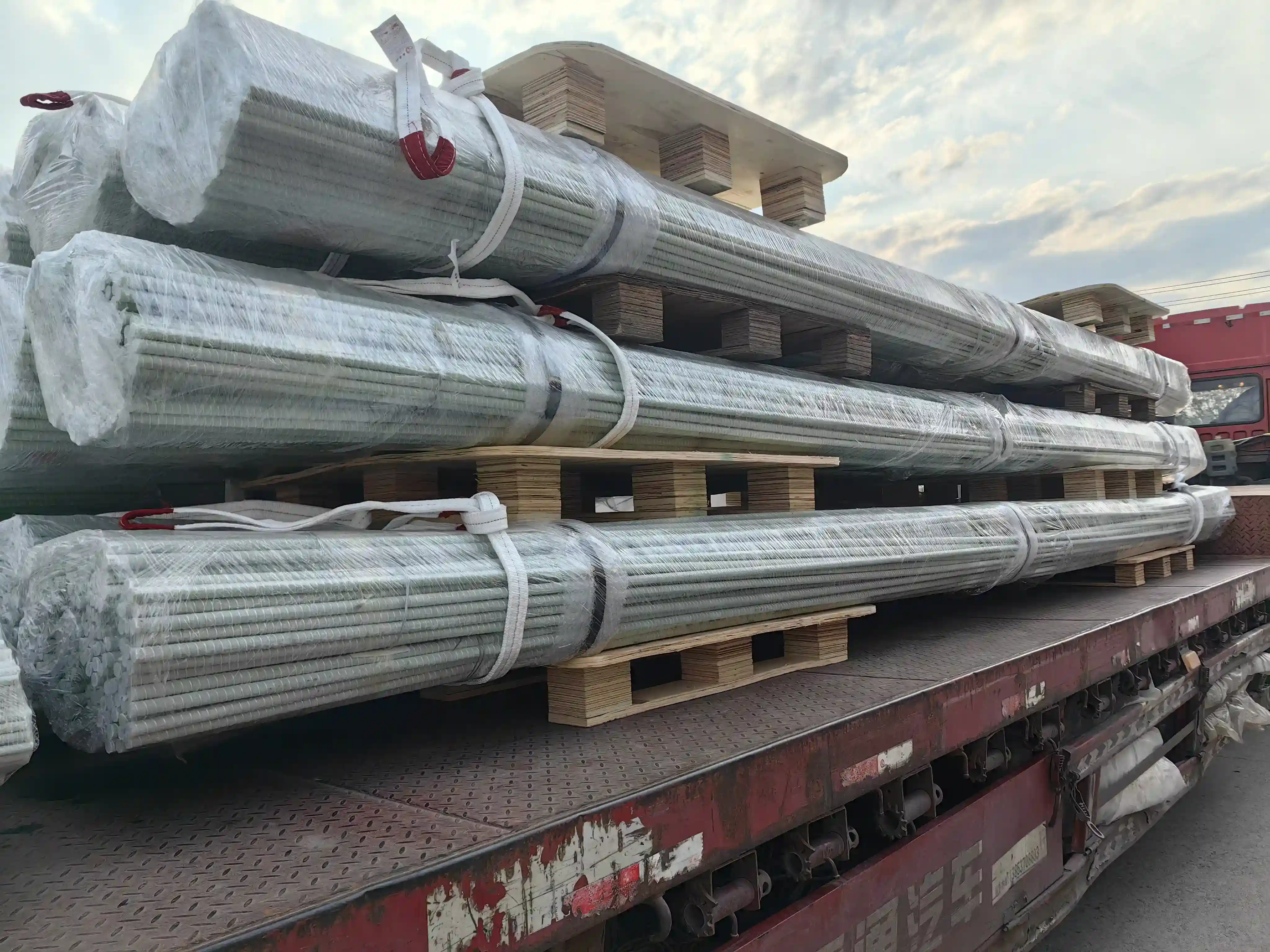
- Packaging: Crating and export packaging for international shipments add logistics costs
- Certification: Third-party testing reports (ASTM D7205, ACI 440) may carry additional fees
For the most competitive 10mm GFRP rebar pricing, request a bulk quote from GFRP Rebar Solutions with your specific project volume and delivery timeline. Bulk orders of 10,000+ meters typically qualify for factory-direct wholesale pricing, reducing the per-meter cost by up to 50% compared to retail.
Applications of 10mm GFRP Rebar in Construction
10mm GFRP rebar for concrete slabs is one of the most popular applications, but the versatility of this size extends across many construction sectors. When you specify 10mm GFRP rebar for concrete slabs, you gain corrosion protection that steel simply cannot match. Here are the primary applications where this reinforcement size delivers maximum value:
Concrete Slabs and Foundations
In residential and commercial concrete slabs, this 10mm rebar provides reliable reinforcement without the risk of rust staining or spalling. It is especially beneficial for slab-on-grade construction, basement floors, and garage slabs where moisture exposure is inevitable. The light weight of 10mm bars makes them easy to position and tie in mesh configurations, speeding up installation compared to steel.
Bridge Decks and Highway Infrastructure
Transportation authorities increasingly specify 10mm GFRP rebar for bridge deck reinforcement, particularly in regions that use de-icing salts. The corrosion-proof nature of GFRP eliminates the primary cause of bridge deck deterioration. The 10mm diameter is commonly used as transverse reinforcement and in the top mat of deck slabs, where it provides crack control without contributing to chloride-induced corrosion.
Marine and Coastal Structures
Seawalls, piers, jetties, and retaining walls in coastal environments benefit enormously from this rebar diameter. Unlike steel, which begins corroding within months of saltwater exposure, GFRP remains unaffected indefinitely. For concrete elements in the splash zone — the area most vulnerable to corrosion — 10mm GFRP rebar is the preferred reinforcement solution.
Wastewater Treatment Plants
Tanks, channels, and containment structures in wastewater facilities are exposed to hydrogen sulfide, chlorides, and other aggressive chemicals. 10mm GFRP bars are widely used in these environments because it resists chemical attack that would rapidly degrade steel reinforcement.
Tunnel Linings and Underground Structures
Tunnel segments and underground vaults often face high humidity, groundwater infiltration, and chemical exposure. The non-corrosive nature of this bar size makes it an excellent choice for permanent tunnel lining reinforcement where future maintenance access is limited or impossible.
Pavement and Roadway Reinforcement
Concrete pavements, airport runways, and industrial floor slabs use GFRP rebar 10mm for temperature and shrinkage crack control. The material's compatibility with concrete thermal expansion (6-10 × 10⁻⁶/°C) minimizes internal stress and reduces cracking over the service life.
10mm vs 12mm GFRP Rebar for Concrete Slabs
One of the most common engineering decisions is choosing between 10mm and 12mm GFRP rebar for concrete slab reinforcement. The right choice depends on load requirements, span length, crack control objectives, and budget constraints. Here is a head-to-head comparison to help you decide.
| Parameter | 10mm GFRP Rebar | 12mm GFRP Rebar |
|---|---|---|
| Nominal Diameter | 10 mm | 12 mm |
| Cross-Sectional Area | 78.5 mm² | 113.1 mm² |
| Tensile Load Capacity | 66.7 - 94.2 kN | 96.1 - 135.7 kN |
| Weight Per Meter | 0.185 - 0.210 kg/m | 0.270 - 0.310 kg/m |
| Price Per Meter (bulk) | $0.85 - $1.10 | $1.20 - $1.60 |
| Stiffness (EA) | 3,532 - 4,318 kN | 5,090 - 6,221 kN |
| Recommended Slab Thickness | 100 - 150 mm | 150 - 200 mm |
| Typical Spacing | 150 - 200 mm | 200 - 300 mm |
When to Choose 10mm GFRP Rebar
Choose 10mm GFRP rebar for concrete slabs in the following scenarios:
- Residential slabs and light-duty floors: 100-125 mm thick slabs for homes, garages, and walkways
- Secondary reinforcement: Temperature and shrinkage control in slabs where structural loads are carried by other elements
- Thin concrete sections: Precast elements, wall panels, and thin shells where cover requirements limit bar diameter
- Cost-sensitive projects: When the lower material cost of 10mm bars (approx. 30% less per meter than 12mm) is a deciding factor
- Easier handling: When labor costs for placing heavier bars would offset material savings
When to Choose 12mm GFRP Rebar
Choose 12mm for heavy-duty industrial floors, bridge decks, and structural slabs carrying significant live loads. The 44% larger cross-sectional area of 12mm bars provides proportionally higher load capacity, which may allow wider spacing and fewer bars overall.
Equivalency Rule of Thumb
A simple engineering rule: one 12mm GFRP bar provides approximately the same tensile capacity as 1.4 to 1.5 pieces of 10mm GFRP rebar. So switching from 12mm @ 200mm spacing to 10mm @ 150mm spacing can achieve equivalent reinforcement area while reducing material cost — provided the slab thickness accommodates the tighter spacing and adequate concrete cover is maintained.
How to Cut and Install 10mm GFRP Rebar
Proper handling, cutting, and installation of GFRP rebar 10mm is essential to maintain structural integrity and ensure long-term performance. Unlike steel rebar, GFRP cannot be bent, cut with a torch, or welded. Follow these best practices to avoid damaging the bar surface and fiber structure.
Cutting 10mm GFRP Rebar
Use the following tools to cut 10mm GFRP bars cleanly without damaging the fibers:
- Abrasive cut-off saw: A diamond or carborundum blade on a chop saw produces the cleanest cuts. Use a blade rated for composite materials.
- Angle grinder: A 115mm or 125mm angle grinder with a metal-cutting disc works well for field adjustments on small quantities.
- Bolt cutters: Heavy-duty bolt cutters can snap 10mm bars cleanly for small jobs, but may cause slight fraying at the cut end.
Critical DO NOTs: Never use a reciprocating saw (sawzall) with a coarse blade — the vibration causes fiber delamination at the cut edge. Never use a torch or heat source — GFRP is thermoset and chars, losing all structural capacity.
Always wear a dust mask (N95 or better) and safety glasses when cutting, as the fine glass dust can irritate skin and lungs. Cut in a well-ventilated area or use a dust extraction system.
Installing 10mm GFRP Rebar
Follow these installation guidelines to prevent surface damage during placement:
- Support spacing: Use plastic rebar chairs or supports at maximum 600 mm centers for 10mm bars to prevent sagging before concrete pour. The lighter weight of GFRP means fewer supports may be needed compared to steel.
- Tying: Use nylon zip ties or GFRP-compatible tie wire. If using steel tie wire, ensure it is stainless steel or epoxy-coated to avoid creating localized corrosion cells. Do not overtighten — plastic zip ties are preferred as they distribute pressure evenly.
- Lapping: Follow ACI 440.1R guidelines for lap splices. For this bar diameter, minimum lap length is typically 40-60 bar diameters (400-600 mm), which is longer than steel due to the different bond characteristics. Verify with project specifications.
- Clear cover: Maintain minimum concrete cover of 20 mm for interior slabs and 30-40 mm for exterior or marine environments, per ACI 440 recommendations.
- Walking on rebar: Avoid walking directly on installed 10mm bars. Use walk boards or planks to distribute weight. The bars can flex under concentrated loads and may crack if stepped on.
Avoiding Surface Damage
The sand-coated surface of this rebar size is critical for bond strength. To preserve it:
- Do not drag bars across rough surfaces or each other — the sand coating can be abraded away
- Store bars on wooden or plastic dunnage, not directly on gravel or concrete
- If bars get muddy or contaminated before the pour, rinse them with clean water; do not wire-brush the surface
- Use rubber mallets or dead-blow hammers if adjustments are needed — never use steel hammers on GFRP
Conclusion
GFRP rebar 10mm offers a compelling combination of high tensile strength, light weight, corrosion resistance, and long service life that makes it an excellent choice for a wide range of concrete reinforcement applications. With tensile strengths of 850-1,200 MPa, a weight of just 0.185-0.210 kg/m, and bulk pricing from $0.85 to $1.10 per meter, the 10mm diameter size provides an optimal balance of performance and economy for residential slabs, bridge decks, marine structures, and industrial floors.
Key takeaways from this guide:
- Specifications: This 10mm bar delivers 66.7-94.2 kN tensile load capacity with linear elastic behavior to failure — design per ACI 440.1R with appropriate safety factors.
- Weight: At 75% lighter than steel, the 10mm GFRP rebar weight per meter of 0.185-0.210 kg reduces transportation and handling costs substantially.
- Price: Bulk orders of 10,000+ meters achieve the most competitive pricing, with the 10mm GFRP rebar price as low as $0.85/m.
- Applications: Ideal for concrete slabs, bridge decks, marine structures, wastewater facilities, and tunnel linings.
- Selection: Compare 10mm vs 12mm based on slab thickness, load requirements, and spacing economics.
- Installation: Cut with abrasive saws, tie with zip ties, and protect the sand-coated surface for maximum bond performance.
For detailed project pricing, technical data sheets, or to request a bulk quote for 10mm GFRP rebar, contact the team at GFRP Rebar Solutions. Our engineers can help you specify the right reinforcement solution for your next project — whether it is a small residential slab or a large-scale infrastructure development.